If you love the idea of a home with real character, Roswell’s historic homes can be hard to resist. They offer texture, proportion, and a sense of place that newer construction often cannot match, but they also ask more of you day to day. If you are wondering what it is actually like to live in one, this guide will walk you through the rhythms, tradeoffs, and practical realities of historic-home life in Roswell. Let’s dive in.
What Historic Living Feels Like
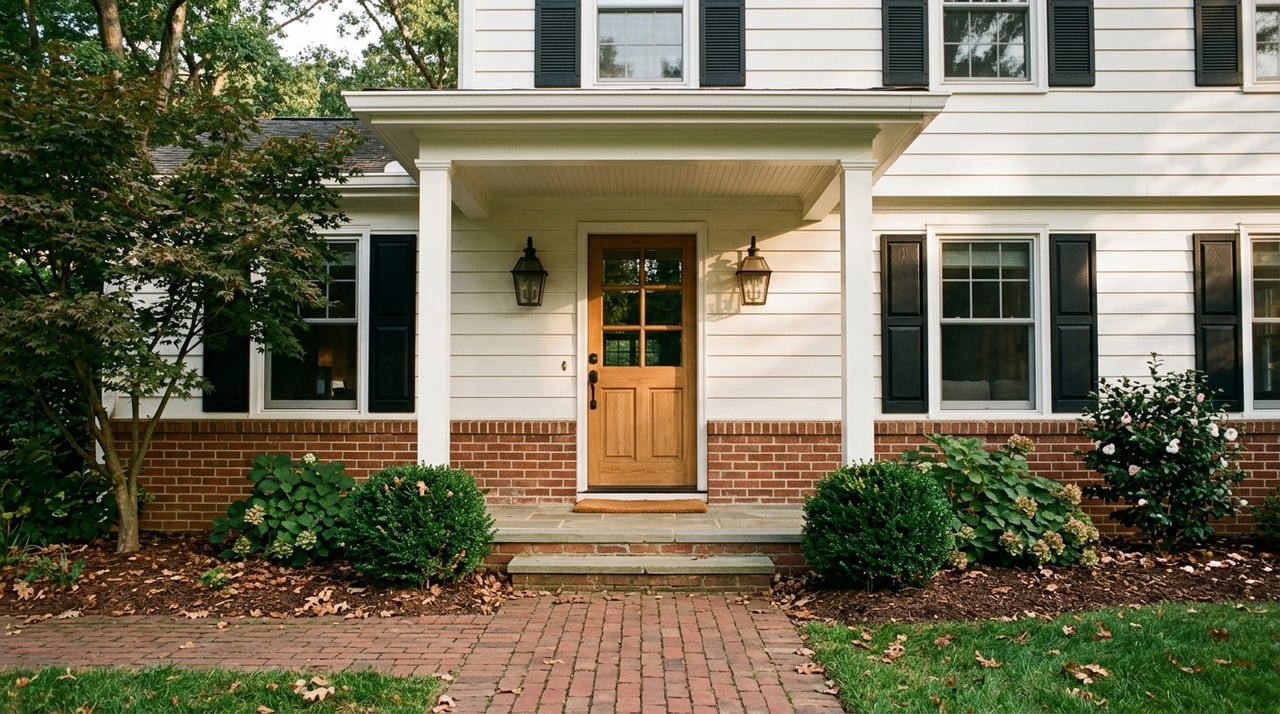
Roswell’s Historic District is not a preserved backdrop that you only visit on weekends. It is a lived-in area where everyday routines happen among broad streets, mature landscaping, shared setbacks, rear alleys, and homes that are generally one to three stories. That setting gives the district a settled, leafy feel that reads very differently from a newer subdivision or a condo-focused area.
The district has been on the National Register of Historic Places since 1974, and that history shows up in the streetscape as much as it does in the houses. Landmark properties like Barrington Hall, Bulloch Hall, Smith Plantation, and Mimosa Hall help define the area’s identity. Together, they reflect a range of historic architecture, from formal Greek Revival homes to simpler vernacular forms.
For you as a homeowner, that means the appeal is bigger than the house itself. The neighborhood experience is tied to the look of the district, the spacing of the homes, and the continuity of the streetscape. In Roswell, historic ownership is as much about setting as it is about square footage.
Daily Life Around Historic Roswell
One of the biggest advantages of living in this area is how connected daily life can feel. Historic Roswell, Canton Street, and the downtown or Town Square area bring together restaurants, coffee spots, breweries, boutique shopping, and design-focused retail within the district’s broader amenity core. In practical terms, that can make historic-home living feel walkable and social rather than quiet in a disconnected way.
That mix matters because it changes how you use the neighborhood. A quick coffee run, dinner out, or a casual weekend stop can become part of your normal routine instead of a planned drive across town. For many buyers, that is a major part of the draw.
Roswell’s parks and outdoor spaces also shape day-to-day living. Local tourism information highlights Town Square, Heart of Roswell Park, Old Mill Park, Waller Park, Big Creek Park, the Chattahoochee Nature Center, and the Chattahoochee River National Recreation Area as part of the city’s strong parks system. That means your lifestyle can easily extend beyond the house to trails, river access, biking paths, event spaces, and green space nearby.
Arts, Events, and Civic Energy
Historic-home living in Roswell comes with more activity than some buyers expect. The city’s Cultural Services division oversees the Roswell Cultural Arts Center, visual arts programming, and the three historic house museums known as the Southern Trilogy. The Roswell Historical Society also maintains 34 historical markers and offers guided walking tours.
This civic and cultural calendar helps the district feel active rather than frozen in time. You are not living next to history that has been boxed off from daily life. You are living in a place where history, arts, and community programming still play a visible role.
That can be especially appealing if you want a neighborhood with texture and public life. Weekend tours, public events, and nearby museums become part of the atmosphere, even if you are simply heading out for lunch or a walk.
What Roswell Historic Homes Are Like Inside
One of the most important things to understand is that Roswell’s historic homes do not follow one single interior layout. Georgia preservation guidance draws a clear line between a building’s type, meaning its overall form and floor plan, and its style, meaning its exterior decoration. In Roswell, that distinction matters because the district includes both formal landmark homes and more practical vernacular houses.
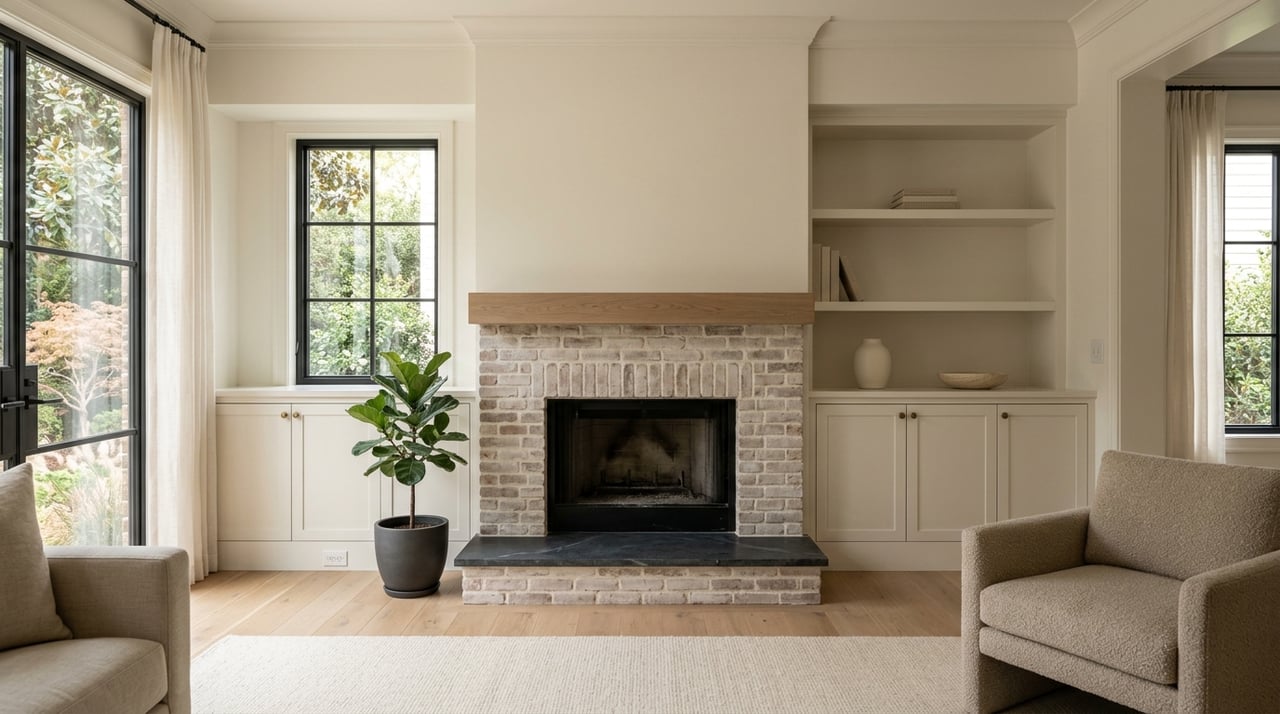
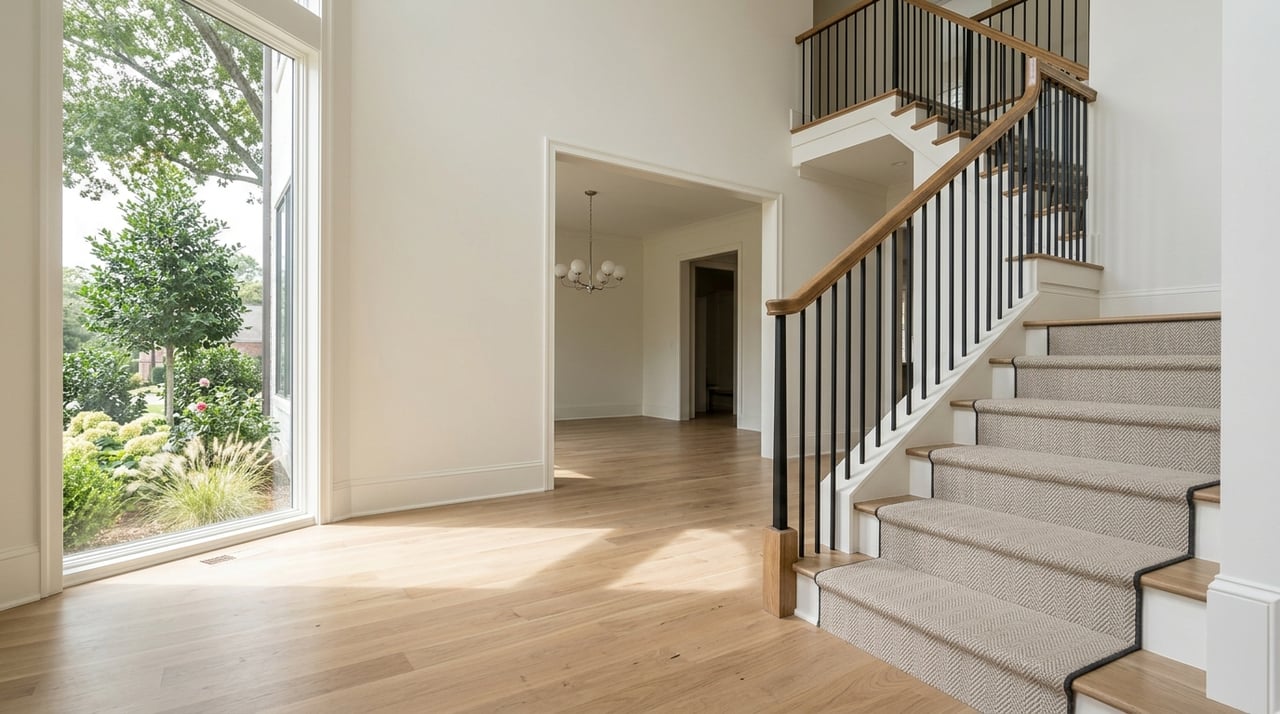
In everyday terms, you should expect a mix of layouts rather than one predictable plan. Many historic homes have rooms with more separation and definition than a modern open-concept house. That can feel elegant and comfortable, but it may also require a different mindset if you are used to one large kitchen, living, and dining area.
The best-known homes in Roswell also point to the kinds of details buyers are drawn to. Tall ceilings, wood floors, plaster walls, original doors and hardware, porch columns on more formal homes, and outbuildings or garden structures on larger lots are all part of the texture. Barrington Hall’s restoration notes mention horsehair plaster, heart pine floors, walnut doors, detailed brick patterns, and original outbuildings, while Smith Plantation includes multiple support structures such as a cookhouse, carriage house, barn, and spring house.
Those details are a big part of why historic homes feel rich before any updates happen. The materials, proportions, and craftsmanship tend to create a sense of depth that is hard to replicate. If you appreciate design, this is where Roswell’s historic homes often stand apart.
The Day-to-Day Upkeep
Historic charm and maintenance go hand in hand. Preservation guidance from the National Park Service emphasizes ongoing repair and maintenance of historic materials rather than large-scale replacement. In real life, that means you will spend more time thinking about how to preserve what is already there, not just how to swap it out for something new.
Windows are a great example. Preservation guidance notes that replacement windows often do not deliver the energy savings people expect, and that maintained historic windows can last longer than replacements. Repair, weatherstripping, and storm windows are often the better path.
Moisture management is another major part of day-to-day ownership in an older North Georgia home. Guidance for historic buildings stresses keeping roofs and gutters weather-tight, cleaning gutters at least twice a year, repairing flashing, improving drainage around foundations, checking crawl spaces for termites or standing moisture, maintaining ventilation, and watching for condensation around pipes and ducts. In a leafy district like Roswell, those are ongoing habits, not occasional tasks.
Renovation Requires Restraint
If you are buying a historic home in Roswell, it helps to think in terms of stewardship. The city’s Historic Preservation Commission reviews exterior changes within the 640-acre district. External material changes, new construction, demolition, moving a building, and changes to exterior environmental features require approval, and applicants must complete an orientation before submitting a Certificate of Appropriateness application.
That review process is important because it shapes how updates happen. Exterior work is not simply a matter of personal preference or contractor convenience. It needs to align with local preservation oversight.
The most successful updates usually focus on repair, compatibility, and reversibility. A thoughtful approach might mean preserving original trim, repairing windows, maintaining porch proportions, and integrating modern conveniences into kitchens, baths, and systems in a way that does not overpower the home’s historic character.
Comfort Upgrades That Make Sense
Living well in a historic home does not mean avoiding improvements. It means choosing upgrades carefully. Preservation guidance recommends focusing on air leakage, efficient HVAC and electrical systems with programmable controls, selective insulation, ENERGY STAR appliances, and shading devices.
For a Roswell buyer, that usually translates into discreet improvements rather than a total redesign. You may get better long-term results from upgrading systems, adding compatible storm doors or windows, and making careful insulation choices than from removing original elements that define the home’s proportions and texture. The goal is comfort without erasing character.
This is where a design-minded perspective can be especially valuable. In historic homes, the best decisions often come from understanding how a house lives now and what should remain visually intact. Good updates support daily function while respecting the architecture that made the home appealing in the first place.
Traffic and Connectivity Matter Too
It is also worth looking beyond the front porch. Roswell’s Bicycle and Pedestrian Master Plan aims to better connect residents to parks, schools, the Historic District including Canton Street, and the Chattahoochee River. That long-term focus supports the lifestyle many buyers want from this part of the city.
At the same time, traffic is part of the lived experience. The city has identified the Historic Gateway and Atlanta Street corridor as a major commuter route with safety concerns and ongoing design priorities. So while the district offers strong charm and access, it is wise to factor in real traffic patterns as part of your decision-making.
That does not lessen the appeal, but it does underscore the value of buying with a clear understanding of your day-to-day routine. Historic-home living works best when the house, the neighborhood rhythm, and your transportation needs all line up.
Who Historic Roswell Suits Best
Historic-home living tends to fit buyers who value character, walkability, and a stronger connection to place. If you love original materials, defined rooms, mature landscaping, and the idea of preserving a home’s story over time, Roswell can be a compelling match. If you want everything to feel new, low-touch, and fully open-concept, it may feel like more commitment than you want.
There is also a seller takeaway here. Buyers drawn to these homes are often responding to design integrity and authenticity, not just finishes. That means presentation matters, but so does protecting the details that give the property its identity.
For both buyers and sellers, the best outcomes usually come from understanding that these homes are not generic inventory. They ask for a more careful eye, a more thoughtful plan, and a real appreciation for how architecture shapes everyday living.
If you are considering a historic home in Roswell, or preparing one for sale, working with an advisor who understands both design and day-to-day livability can make the process much clearer. To talk through buying, selling, or evaluating a historic property in North Atlanta, connect with Kristin Sheehan.
FAQs
What is daily life like in Roswell’s Historic District?
- Daily life in Roswell’s Historic District often centers on a mix of residential streets, nearby dining and coffee spots around Canton Street, local parks, and an active arts and history calendar.
What approvals do Roswell historic homeowners need for exterior changes?
- In Roswell’s Historic District, exterior material changes, new construction, demolition, moving a building, and changes to exterior environmental features require Historic Preservation Commission approval, and applicants must complete an orientation before filing a Certificate of Appropriateness application.
What interior features are common in Roswell historic homes?
- Common features in Roswell historic homes can include tall ceilings, wood floors, plaster walls, original doors and hardware, porch details on formal houses, and outbuildings or garden structures on larger lots.
What maintenance matters most in a Roswell historic home?
- The most important maintenance priorities in a Roswell historic home often include roof and gutter upkeep, drainage, flashing repair, crawl space moisture checks, ventilation, and watching for condensation or termite-related issues.
Are Roswell historic homes usually open-concept?
- Roswell historic homes often have more defined and separated rooms than newer homes, so you should expect a mix of formal and practical layouts rather than a standard open-concept plan.
What upgrades make sense for Roswell historic houses?
- Sensible upgrades for Roswell historic houses often include efficient HVAC and electrical improvements, air sealing, selective insulation, compatible storm windows or doors, and other changes that improve comfort without overwhelming historic character.