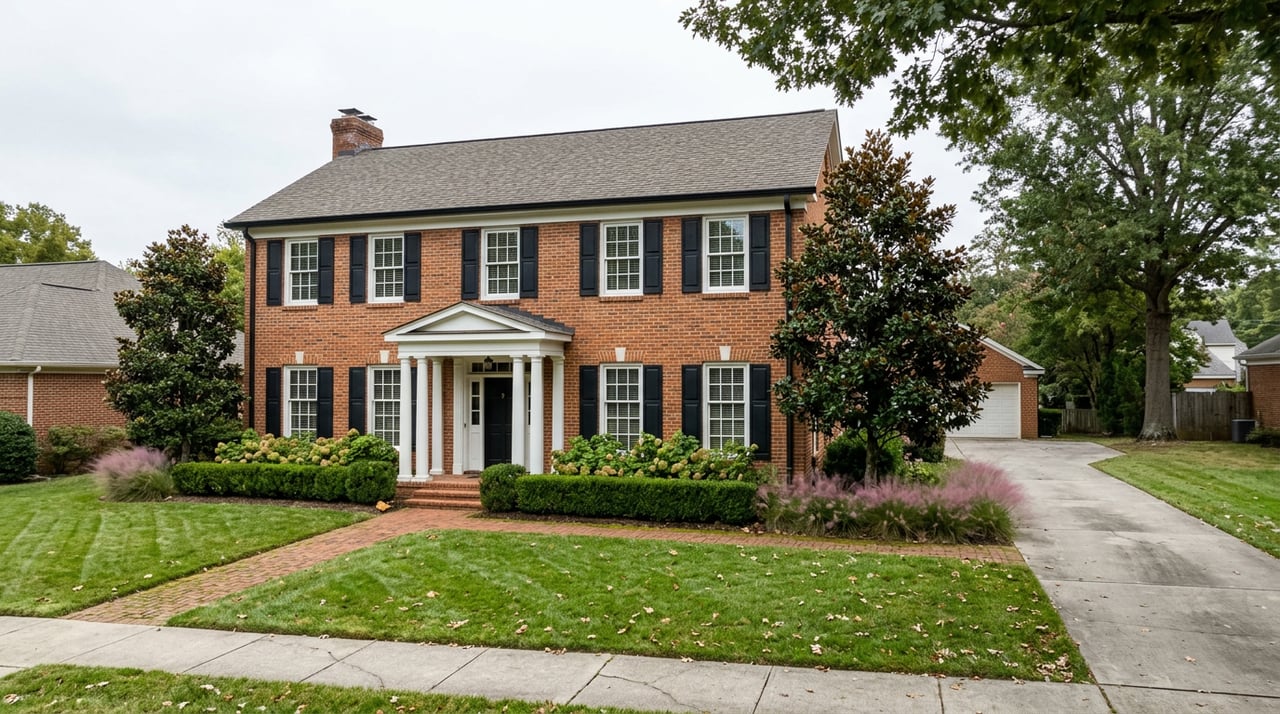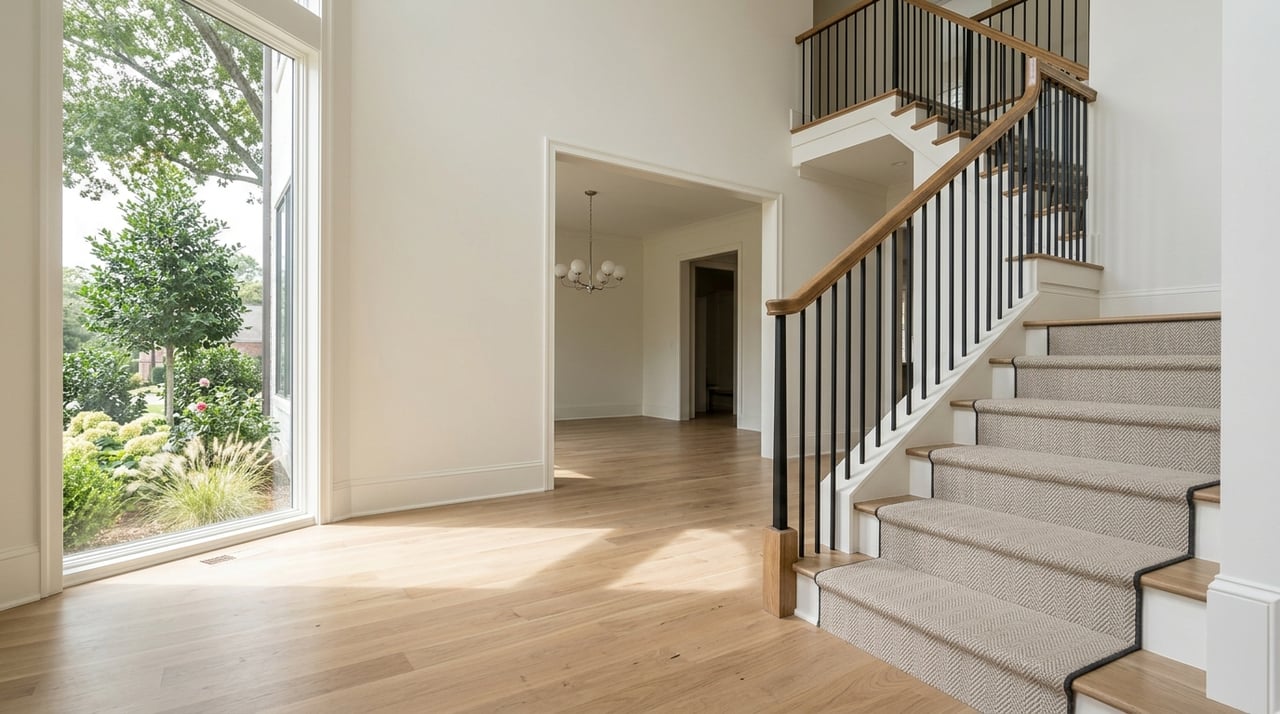
If you are trying to buy your next home in Alpharetta while selling your current one, you are not alone, and you are not imagining the complexity. A move-up purchase asks you to balance timing, equity, financing, home prep, and a competitive local market all at once. The good news is that with the right plan, you can reduce stress, protect your options, and move with more confidence. Let’s dive in.
Why move-up planning matters in Alpharetta
Alpharetta remains an active resale market, which matters if you are both a seller and a buyer. Recent market data shows homes going pending in roughly 38 to 45 days, with some properties receiving multiple offers and 15.7% selling above list price, depending on the source and reporting period.
That tells you two things. First, a well-prepared home can still attract strong attention. Second, the most appealing move-up homes may require fast, well-structured offers.
Start with your equity and budget
Before you tour homes or prepare your current property for the market, get clear on your numbers. A move-up purchase usually depends on how much equity you have in your current home, how much cash you want to use, and what monthly payment feels comfortable for your next chapter.
Lenders generally look at your income, assets, debts, and credit when evaluating a loan application. It is also smart to plan for closing costs, which the CFPB says often run about 2% to 5% of the purchase price, separate from your down payment.
Why fresh preapproval matters
A current preapproval letter helps you understand your range before you make big decisions. It also shows sellers that you are likely able to obtain financing, which can matter in a market where multiple-offer situations still happen.
Preapproval letters are not permanent. Many expire in 30 to 60 days, so timing matters if you are listing, shopping, and writing offers over several weeks.
Choose the right sequence for your move
One of the biggest decisions is simple in theory and tricky in practice: should you sell first, buy first, or try to line both up at the same time? The best answer depends on your equity position, risk tolerance, and how competitive your target price range is in Alpharetta.
Option 1: Sell first, then buy
This is often the clearest financial path. You know exactly how much equity you will have available, and you can make decisions on your next home with more certainty.
The challenge is logistics. If your current home closes before your next one does, you may need temporary housing or a negotiated rent-back period.
Option 2: Buy first, then sell
This can reduce the pressure of moving twice and may give you more time to prepare your current home thoughtfully. It can work well if you have enough cash or financing flexibility to carry both transactions for a period of time.
One tool sometimes used here is a bridge loan, which can allow a homeowner to access equity before the current home sells. The trade-off is that this approach adds another layer of financing and should be evaluated carefully with your lender and closing professionals.
Option 3: Coordinate both with contingencies
Some move-up buyers use home-sale or home-close contingencies to connect the two transactions. These contract terms can help protect you if your current home has not yet sold or closed.
The trade-off is competitiveness. In a market where attractive homes can receive more than one offer, a contingent offer may be less appealing than one with fewer conditions.
Use contract tools strategically
Move-up purchases are often won or lost in the details, not just the price. The way your contract is structured can affect your flexibility, timing, and negotiating strength.
Common terms that can help
Depending on the situation, these tools may help smooth the process:
- Home-sale contingency if you need your current home to sell before completing the purchase
- Home-close contingency if you need your current sale to close before your next purchase closes
- Rent-back clause if you sell first and need to stay in the home for a short period after closing
- Continue-to-show or kick-out clauses if the other side wants flexibility while a contingency remains in place
These terms should be reviewed carefully so you understand the timing, obligations, and possible risks before you commit.
Make your current home market-ready
When you are moving up, your current home is not just where you live. It is also a key financial piece of your next purchase. That means presentation matters.
Staging does not have to mean a full redesign. In many cases, the goal is to declutter, simplify, and help buyers see the space clearly.
Focus on the changes that help buyers see value
According to NAR guidance, staging often starts with practical updates rather than major remodeling. The most effective steps usually include:
- Removing personal items
- Editing bulky furniture
- Keeping closets about half full
- Using neutral paint where needed
- Creating clean, open sightlines
NAR also reports that 83% of buyers’ agents say staging helps buyers visualize a property as their future home. For a move-up seller, that can support stronger first impressions and better offer quality.
Build an offer strategy around clarity
In a move-up purchase, your strongest offer is usually not about price alone. It is about showing the seller that you are prepared, realistic, and able to move forward.
That is why financing clarity matters so much. A fresh preapproval letter, a clear understanding of your cash to close, and a plan for your current home can make your offer easier for a seller to trust.
What can strengthen your position
In Alpharetta, where desirable homes can move within about a month to six weeks, these steps can help:
- Have your preapproval updated before shopping seriously
- Understand which contingencies are necessary and which may weaken your offer
- Prepare your current home for market early, even before you write on the next one
- Move quickly when the right property appears
A calm process usually comes from decisions made in advance, not in the middle of negotiations.
Plan around your real calendar
A smooth move is not only about contract dates. It is also about your daily life. Work schedules, activities, and school calendars can all affect when it makes sense to show your home, attend inspections, and close.
For households following Fulton County Schools, the 2026 to 2027 calendar shows the school year beginning on August 3, 2026, with summer offering the longest uninterrupted move window after the prior school year ended on May 21, 2026. That may make summer the least disruptive option for many families, depending on your own schedule.
Alpharetta scheduling details to keep in mind
School-day logistics can shape practical decisions. Fulton County Schools lists these general bell schedules:
- Elementary: 7:40 a.m. to 2:20 p.m.
- Middle: 8:55 a.m. to 4:05 p.m.
- Alpharetta High School: 8:20 a.m. to 3:30 p.m.
Those times can affect showing windows, inspection appointments, packing plans, and even closing-day transportation. Small scheduling details often make a big difference in how manageable the process feels.
Why coordinated guidance helps
A move-up purchase is really two major transactions tied together. You are preparing one property for the market while evaluating the next one through the lens of budget, timing, condition, and future livability.
That is where coordinated representation can add real value. You need a plan for pricing, presentation, timing, negotiation, and the practical details in between.
Design insight can sharpen decisions
For many move-up buyers and sellers, the question is not only whether a home works today. It is whether it has the layout, finish level, and long-term potential you actually want.
A design-minded approach can help you decide what is worth improving before you list, what updates matter most to buyers, and what potential to look for when comparing your next home options. That perspective can help reduce decision fatigue and keep your choices grounded in both lifestyle and value.
A simple move-up roadmap
If you want a smoother experience, start with a clear sequence rather than reacting as you go. A practical roadmap often looks like this:
- Meet with a lender and confirm updated preapproval.
- Estimate your equity and likely cash to close.
- Prepare your current home with decluttering and presentation in mind.
- Decide whether you will sell first, buy first, or use contingencies.
- Begin touring with a clear target and timeline.
- Structure offers with both protection and competitiveness in mind.
- Coordinate closing dates, possession timing, and moving logistics early.
The more of this work you do before listing or offering, the more control you are likely to feel when decisions need to happen quickly.
If you are planning a move-up purchase in Alpharetta, a thoughtful strategy can make the entire process feel far more manageable. For tailored guidance on timing, presentation, and your next-step options, connect with Kristin Sheehan.
FAQs
How competitive is the Alpharetta market for a move-up buyer?
- Recent local data suggests Alpharetta remains active, with homes often going pending in about 38 to 45 days and some receiving multiple offers.
Can you buy a new home before selling your current home in Alpharetta?
- Yes, in some cases buyers use bridge loans or structured contingencies, but the best path depends on your equity, financing strength, and comfort with risk.
What helps a move-up offer stand out in Alpharetta?
- A current preapproval letter, a clear financing plan, and carefully managed contingencies can make your offer more attractive to a seller.
What should you do first before listing your current home in Alpharetta?
- Start by reviewing your budget and equity, then prepare the home through decluttering, neutral presentation, and a clear pricing and timing plan.
When is the least disruptive time to move in Alpharetta?
- For households following Fulton County Schools, summer may offer the clearest move window because it falls between the end of one school year and the start of the next.
Why does coordinated representation matter in a move-up purchase?
- Because you are managing a sale and a purchase at the same time, coordinated guidance can help with pricing, prep, offer strategy, negotiation, and timing across both transactions.