If you are looking for a place that feels quieter and more grounded without giving up day-to-day convenience, Ball Ground deserves a closer look. This small North Cherokee community offers a blend of historic character, practical regional access, and a strong connection to the outdoors. Whether you are considering a move, exploring acreage, or simply trying to understand the lifestyle, this guide will walk you through what makes Ball Ground distinct. Let’s dive in.
Why Ball Ground Stands Out
Ball Ground sits in northern Cherokee County near the confluence of the Etowah River and Long Swamp Creek. According to the City of Ball Ground comprehensive plan, the city is on the northern edge of metro Atlanta and in the foothills of the Appalachian Mountains, with a 2020 Census population of 2,560.
That smaller scale is part of the appeal. Official city materials describe Ball Ground as a place with a historic main street, historic homes, and meaningful recreation opportunities. In practical terms, you get a town that feels established and community-oriented, while still being connected to the larger region.
Small-Town Feel With Room to Grow
One of the most interesting things about Ball Ground is how intentionally it is planning for growth. The city’s downtown master plan looks beyond the core around Gilmer Ferry Road and includes future work tied to roads, sidewalks, trails, green streets, parks, utilities, and facade restoration.
That matters if you are thinking long term. The city has made it clear that preserving historic character while supporting sensible new development is a priority, which helps explain why Ball Ground appeals to buyers who want both authenticity and forward momentum.
Housing Options in Ball Ground
Ball Ground’s housing stock is primarily made up of detached single-family homes. The city plan also notes some townhomes and one 80-unit apartment complex, along with about 95% occupancy and roughly 76% owner occupancy, which points to a market with a strong ownership base.
If you are exploring the area, you will likely find a mix of older homes, newer neighborhoods, and properties with a more rural feel. The planning language for the area is especially useful here, because it describes settings that can include homesteads on individual tracts, large-lot estate-style homes, detached single-family development, and conservation subdivisions through the broader planning framework outlined by the Georgia Department of Community Affairs plan document.
The city also reports that the last decade brought significant growth in new residential neighborhoods. From 2018 through 2022, Ball Ground issued 355 building permits, with 114 permits in 2022 alone, which reflects continued residential activity.
For buyers thinking about price points, the city plan says about one-third of homes fall in the $300,000 to $500,000 range. It also reports a median rent of about $1,188 per month, offering a helpful baseline for people comparing renting versus buying in the area.
Historic Character and Rural Surroundings
Ball Ground’s identity is not just about what has been built. It is also about what the city is trying to protect. Planning documents emphasize preserving historic buildings and neighborhoods, supporting infill and facade restoration downtown, and maintaining the surrounding rural and natural character.
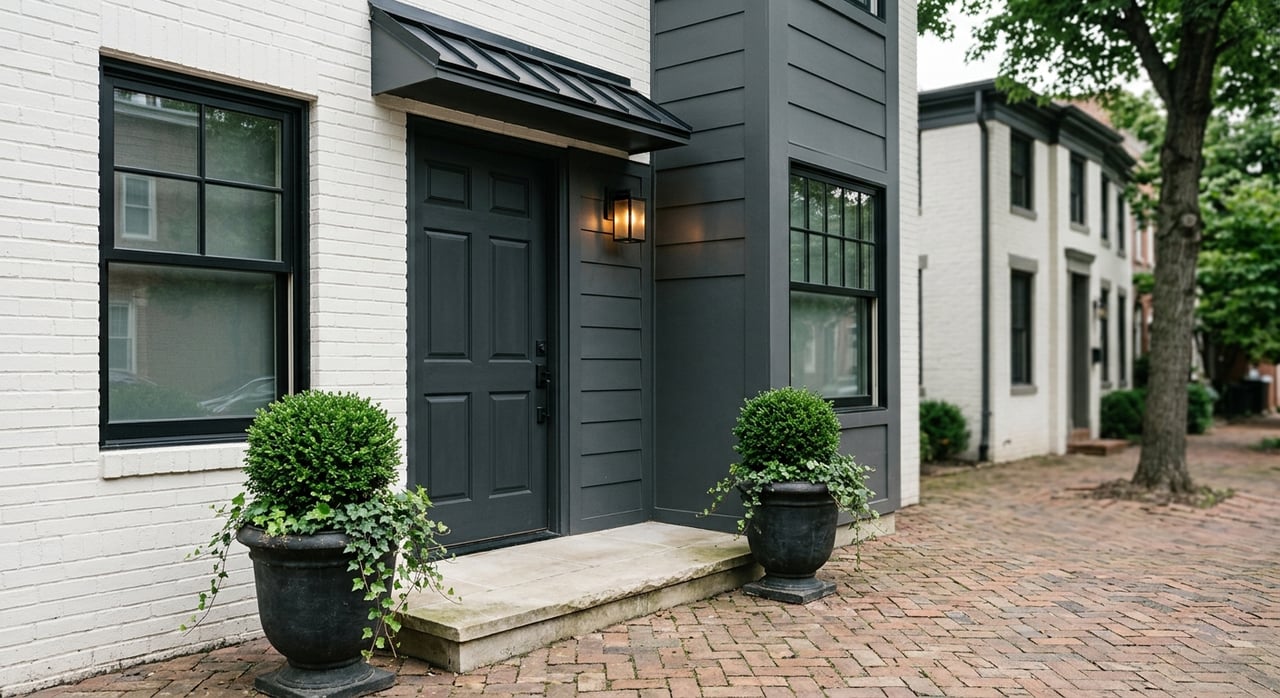
For you as a buyer, that can translate into a more layered housing experience. Some streets and properties may offer a traditional town setting near downtown, while others lean into privacy, larger lots, and a more countryside feel. For sellers, that same mix can shape how a home is positioned, especially when architecture, land use, or outdoor amenities are part of the value story.
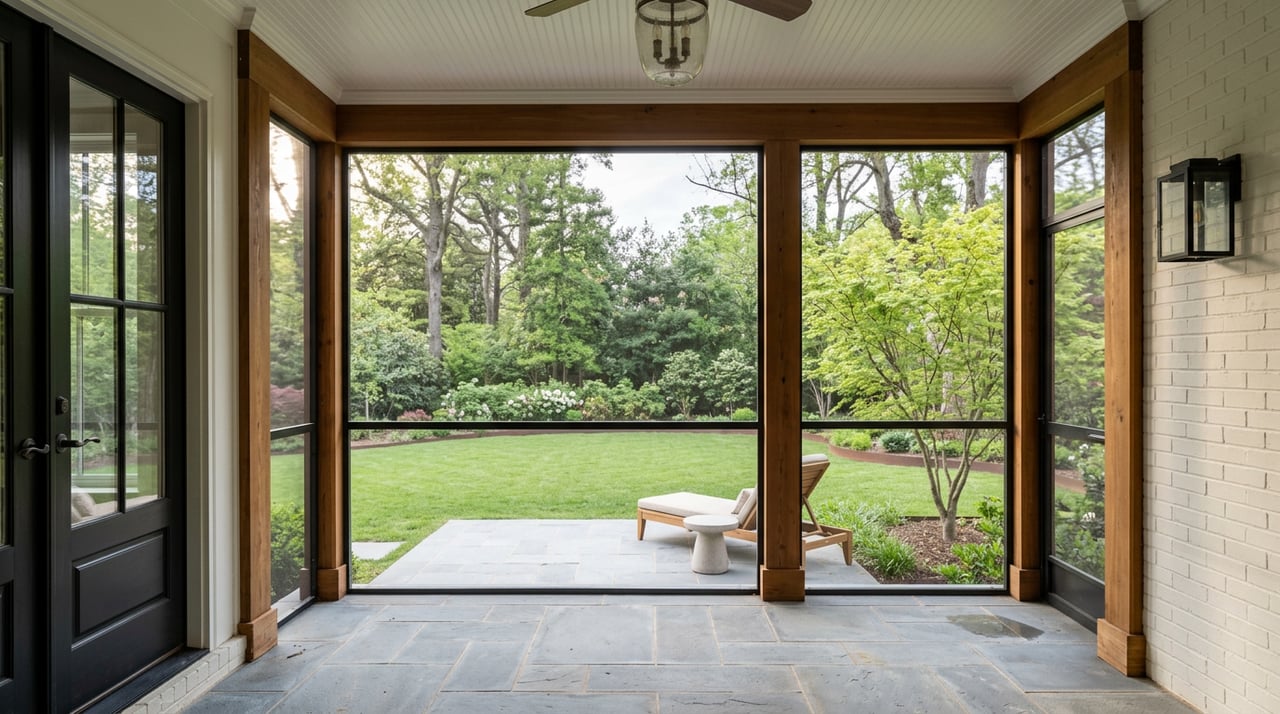
Outdoor Living Is a Real Advantage
Ball Ground’s outdoor appeal is one of its strongest lifestyle draws. For a city of its size, it has an impressive network of parks, trails, and natural spaces, many of which are highlighted through the city’s parks and recreation resources.
Within town, you have several easy-access options:
- Botanical Gardens, open daily from daylight to dark
- Calvin Farmer Park, with a playground, pond, walking track, pavilions, and stage
- City Park, with picnic tables, a walking track, restrooms, and parking
- City Connection Park, with shade structures, a stage, and seating
- Valley District Linear Park, a popular destination for walking, jogging, and bicycling
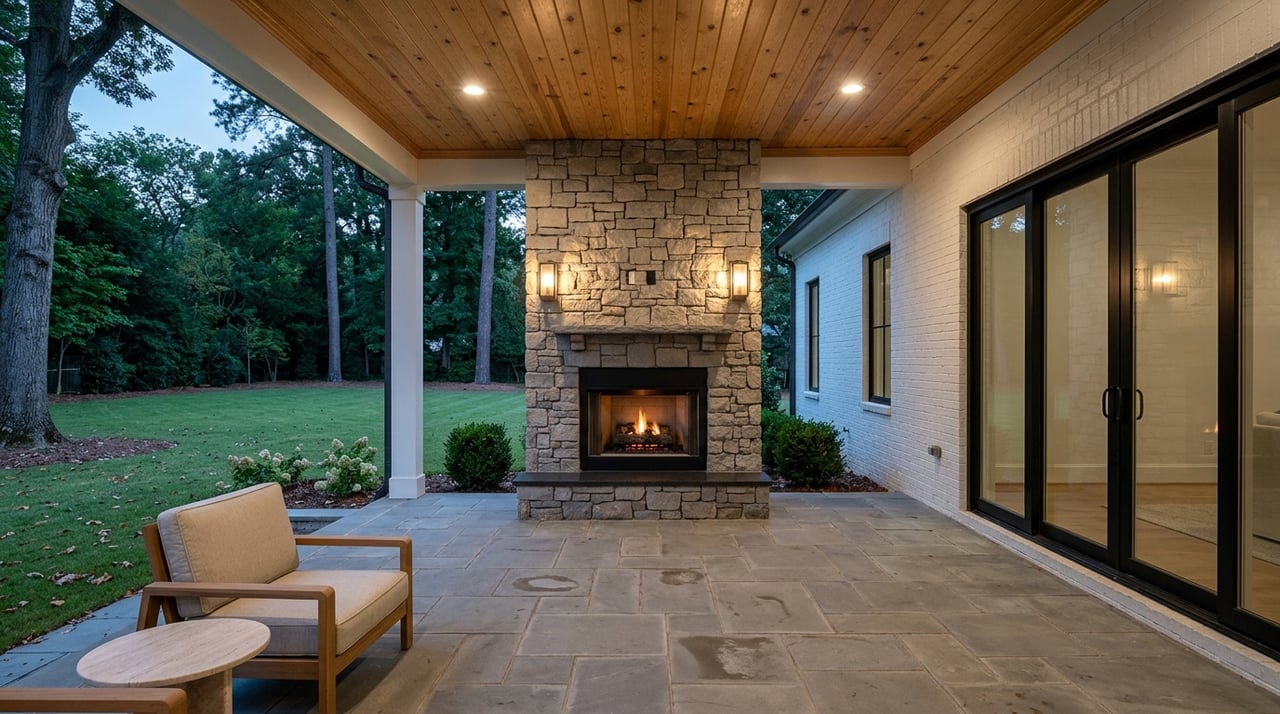
This creates a lifestyle that feels active without being complicated. You do not have to plan a full weekend trip to get outside. In Ball Ground, outdoor time can be part of an ordinary weekday.
Roberts Lake and River Access
If you want something a little more immersive, Roberts Lake Trail is worth knowing about. The city describes it as a moderate hike that gives you access to a 45-acre green space along Long Swamp Creek, with the trail running about 0.7 miles to the dam site.
Long Swamp Creek is also open for fishing with a Georgia fishing license. That kind of access adds another layer to daily life in Ball Ground, especially for buyers who value natural surroundings and a more relaxed pace.
The broader area expands those options even further. The Long Swamp Creek Recreation Area, located two miles south of Ball Ground beside McGraw Ford Wildlife Management Area, includes a canoe and kayak launch, camping, fishing, a walking trail, wildlife viewing, and archery.
A Stronger Regional Outdoor Network
Ball Ground is also connected to outdoor amenities that reach beyond city limits. McGraw Ford Wildlife Management Area spans 2,255 acres in Ball Ground and includes five miles of frontage along the Etowah River, with opportunities for fishing, paddling, hunting, and wildlife viewing.
The city’s comprehensive plan also notes efforts by Ball Ground and Cherokee County to develop Etowah River boat, canoe, and kayak launches between Ball Ground and Canton. The same plan frames local eco-tourism around Roberts Lake Park, the Etowah River, and McGraw-Ford, which reinforces just how central outdoor recreation is to the town’s identity.
Another regional draw is Gibbs Gardens, which the city describes as being just a few miles from downtown Ball Ground. For many buyers, that blend of in-town simplicity and nearby destination-level nature is a meaningful part of the area’s appeal.
Downtown Ball Ground Has Everyday Energy
Small-town living does not have to mean sleepy. Downtown Ball Ground offers a mix of restaurants, gathering spots, shops, and service businesses, all of which help give the city center a lived-in, active feel.
The downtown directory includes names such as Barrel House Coffee, RockSolid Brewing Company, Ball Ground Tavern, Dot's Fine Wine & Craft, Molly and Margie’s, Southern Oak Provisions, and Harper & Honey. That variety supports the kind of routine many buyers want, where grabbing coffee, meeting friends, or stopping into a local shop feels easy and close to home.
Events also play a role in the town’s rhythm. According to the downtown annual events calendar, Ball Ground hosts Art on Main, Christmas Market, Garden Club Plant Sale, Spooktacular, BBQ & Brews, Fireworks Festival, March of the Toys Parade, and a Veterans Day Ceremony, along with recurring activities like Music Bingo, Thirsty Thursdays, Karaoke, and Bingo.
City Park also hosts popular events, and City Connection Park is home to the Unplugged Series. Together, those spaces give downtown a natural gathering pattern that supports community life beyond shopping and dining.
Access and Daily Practicality
Lifestyle is important, but so is logistics. Ball Ground offers practical access to the region, which helps explain why it appeals to buyers who want a more relaxed setting without feeling disconnected.
The city plan says I-575 flanks Ball Ground, State Route 372 serves as the main east-west connection, and Howell Bridge Road functions as a primary gateway. Most residents rely on personal vehicles, with 78% of workers driving alone and an average commute of about 27 minutes.
Ball Ground does not have fixed transit service, but the Cherokee County Transportation System provides on-demand service within the county. The city plan also notes that a truck-bypass project is in preliminary design to divert heavy traffic away from the city center, which signals ongoing attention to how growth and mobility affect everyday life.
Who Ball Ground May Appeal To
Ball Ground can make sense for several types of buyers, depending on what you value most.
If you want small-town character, the historic downtown, local events, and preserved sense of place stand out. If you want outdoor access, parks, trails, creek access, and nearby wildlife areas make daily recreation easy.
If you are searching for more land or a rural edge, the area’s mix of homesteads, large-lot homes, and newer residential growth may be worth exploring. And if you still need regional convenience, access to I-575 helps keep Ball Ground connected to the broader metro Atlanta area.
From my perspective, Ball Ground is especially compelling for buyers who are not just shopping for square footage. It tends to attract people who care about how a place feels, how it functions day to day, and how outdoor space, architecture, and setting work together.
What to Consider Before You Move
As with any move, it helps to match the location to your priorities. Ball Ground may be a strong fit if you are looking for:
- A smaller community with a distinct identity
- A mix of historic homes, newer neighborhoods, and rural-style properties
- Access to parks, trails, creeks, and river recreation
- A downtown with local businesses and public events
- Convenient highway access for commuting or regional travel
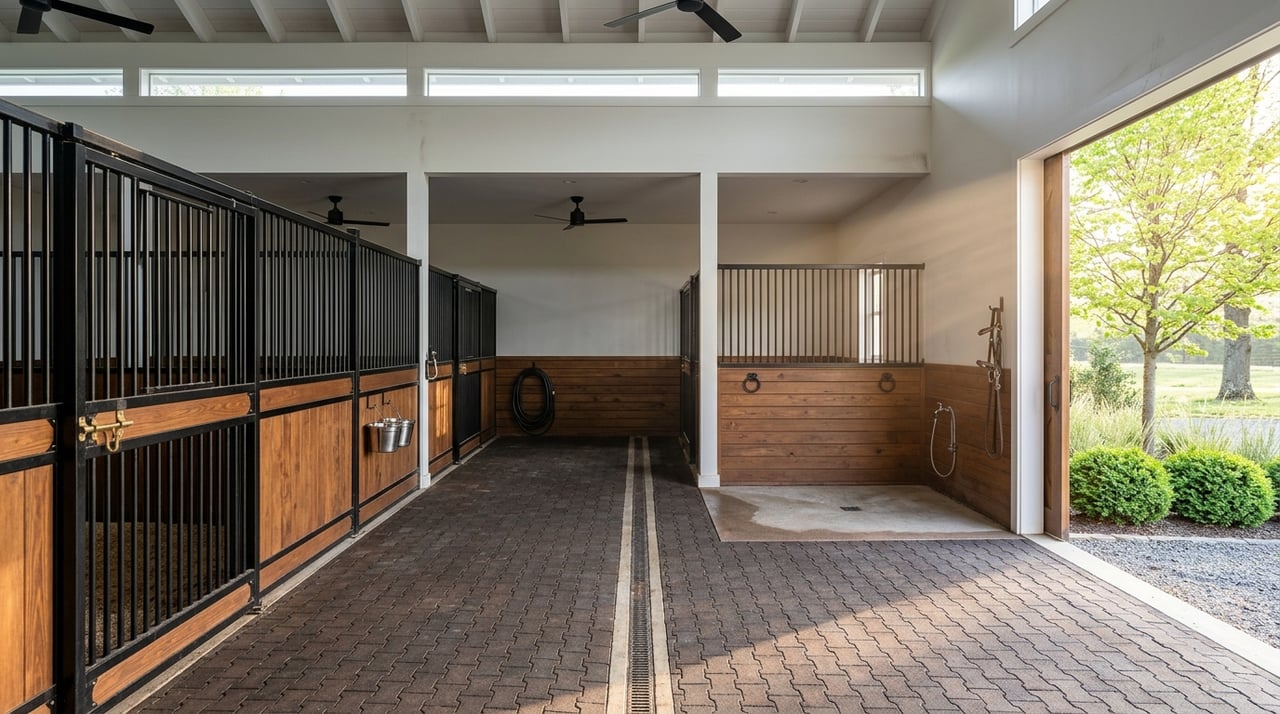
It is also smart to think about your property goals early. If you are considering acreage, land, or a home with room for specialized use, understanding layout, usability, and future potential can make a big difference in your decision.
Ball Ground offers a thoughtful blend of historic character, natural beauty, and everyday convenience. If you are considering a move to Ball Ground or want guidance on buying or selling in North Georgia, Kristin Sheehan can help you evaluate the lifestyle, the property details, and the market strategy with a clear, design-minded perspective.
FAQs
What is Ball Ground, Georgia known for?
- Ball Ground is known for its historic downtown, small-town setting, parks and trails, and access to outdoor recreation near Long Swamp Creek and the Etowah River.
What kinds of homes are in Ball Ground, Georgia?
- Ball Ground’s housing is primarily detached single-family homes, with a mix of older homes, newer neighborhoods, some townhomes, and select properties with larger lots or a more rural setting.
What outdoor activities are available in Ball Ground, Georgia?
- Outdoor options in Ball Ground include walking trails, parks, fishing, creek access, paddling, wildlife viewing, hiking, and nearby recreation at Long Swamp Creek Recreation Area and McGraw Ford Wildlife Management Area.
Is downtown Ball Ground active for a small town?
- Yes. Downtown Ball Ground includes local restaurants, shops, gathering spaces, recurring events, and annual festivals that create regular activity in the city center.
How accessible is Ball Ground, Georgia for commuters?
- Ball Ground has access to I-575 and State Route 372, and the city plan reports an average commute of about 27 minutes, with most residents traveling by personal vehicle.
Is Ball Ground a good place to look for land or larger lots?
- Ball Ground may appeal to buyers looking for land or larger lots because local planning documents reference homesteads on individual tracts, large-lot estate-style development, and surrounding rural character.