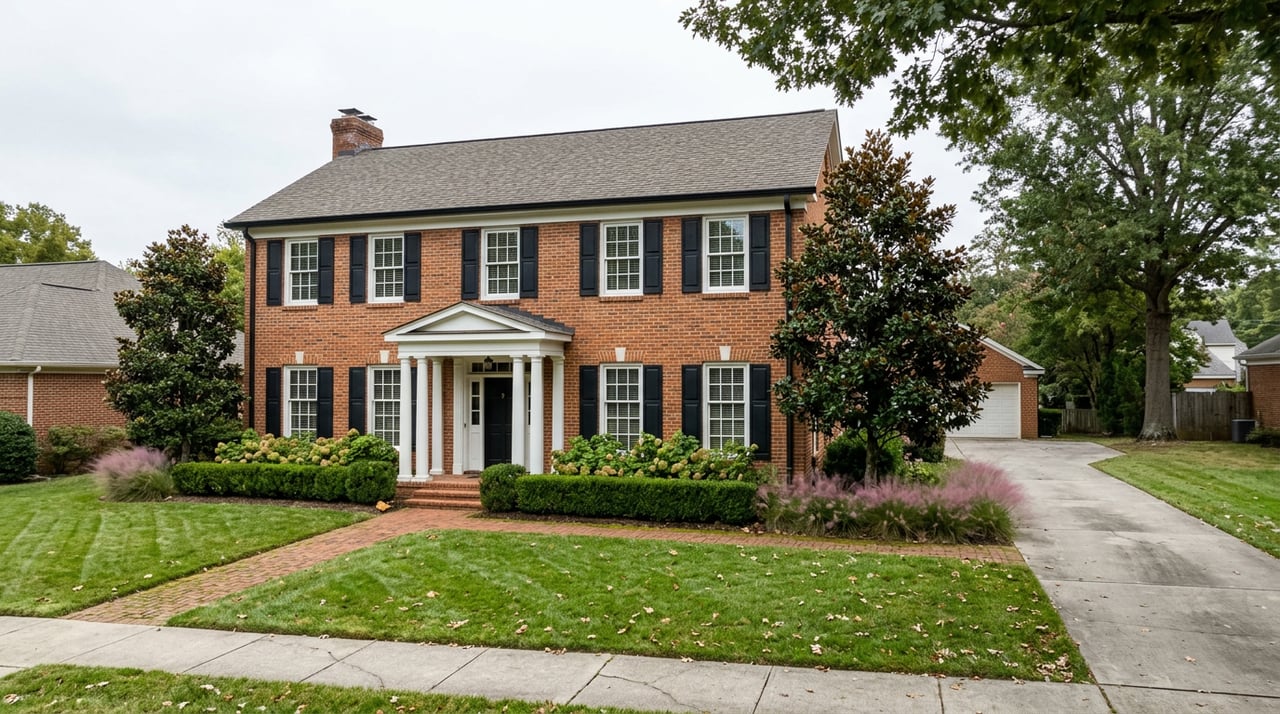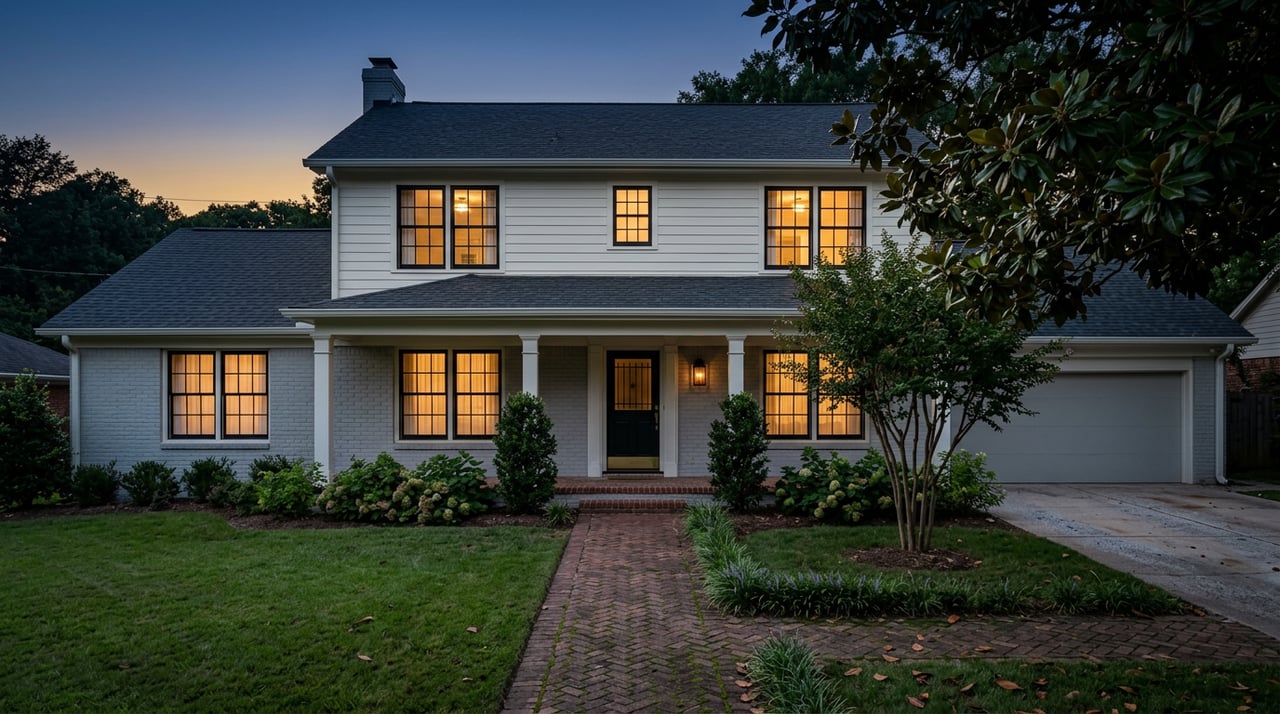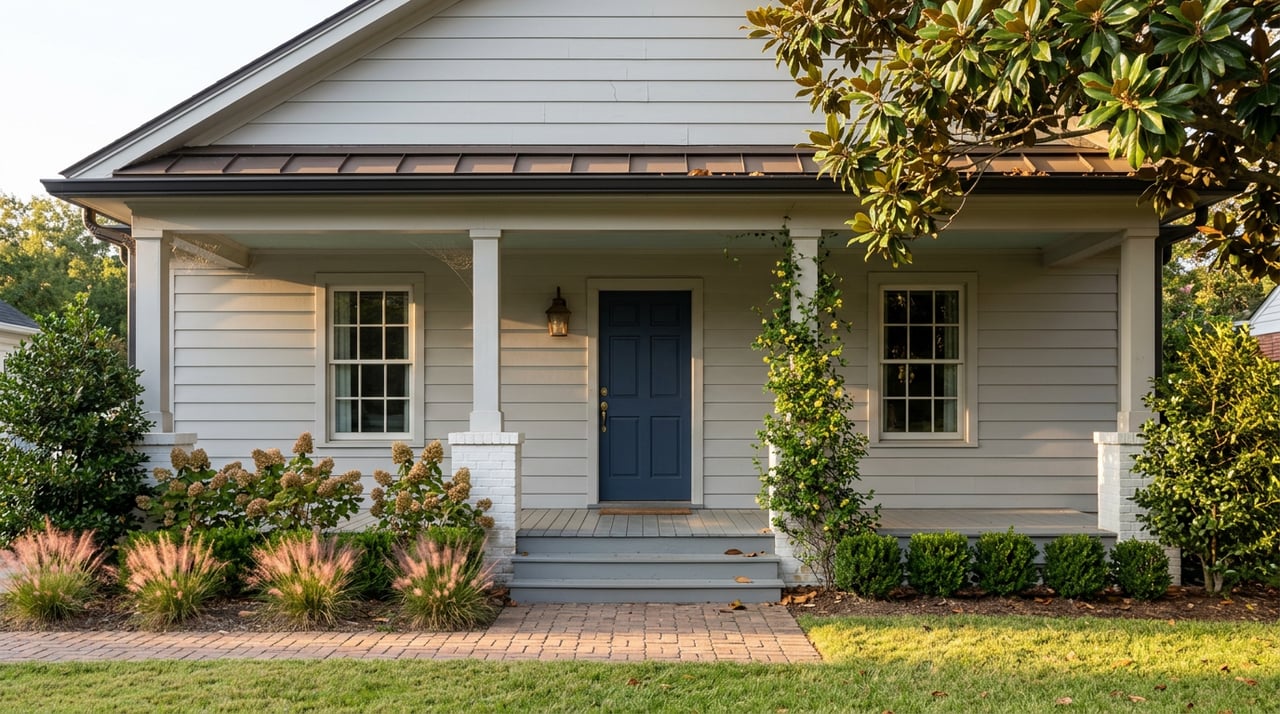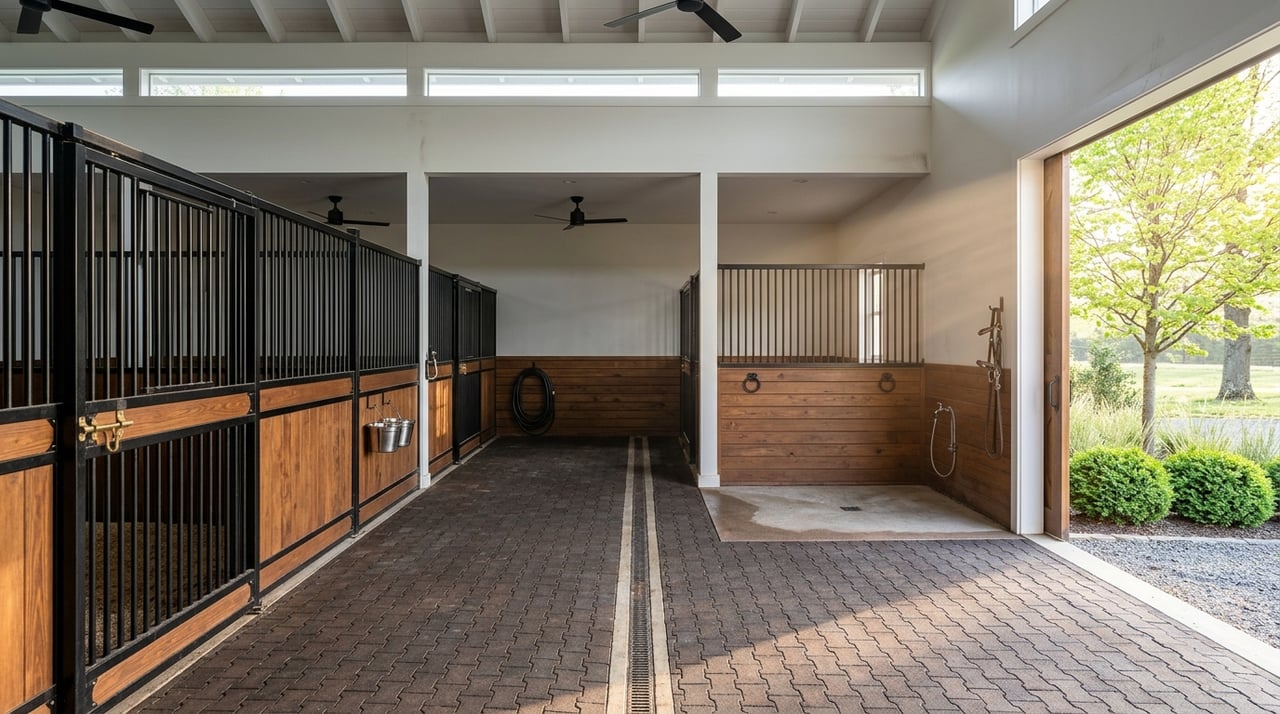
If you are shopping for a horse property in Ball Ground, it is easy to get distracted by the scenery, the acreage number, or a pretty barn photo. But the best equestrian property is not always the one that looks the most impressive at first glance. It is the one that works well for your horses, your daily routine, and your long-term plans. In Ball Ground, that means looking closely at zoning, drainage, pasture use, barn function, and trailer access before you fall in love with a listing. Let’s dive in.
Why Ball Ground Appeals to Horse Property Buyers
Ball Ground sits on the northern edge of metro Atlanta in the foothills of the Appalachian Mountains, giving you a setting that feels more rural while still being connected to the broader North Atlanta area. According to the City of Ball Ground’s planning documents, much of the area is identified for low-density residential, farms, forests, and open-space uses, with zoning patterns that can support agricultural and rural living.
That planning context matters if you want a property with room for horses, barns, and pasture. Cherokee County’s joint planning framework for Ball Ground and Waleska also describes a Country Estates area where horse farms and equestrian-related development are part of the landscape. In practical terms, Ball Ground can be a strong fit if you want a more land-oriented lifestyle and are willing to evaluate each property carefully.
Start With Zoning and Land Use
Before you focus on stalls, fencing, or arenas, confirm what the property’s zoning allows. Cherokee County states that on AG-zoned property, there is no livestock limit as long as animals are kept in safe and humane conditions. In residential zoning districts, livestock are allowed only if the lot has at least 2 acres and the density does not exceed 1 animal per acre, according to the county’s livestock FAQ.
That means the same acreage can function very differently depending on zoning. A property that seems horse-friendly on paper may not align with your intended use if it is in a residential district with tighter limits. This is one of the first due diligence steps worth verifying before you get too far into negotiations.
Check Setbacks and Building Rules
Barn placement matters early because Cherokee County treats barns as accessory structures. The county notes that in AG zoning, barns are exempt from some accessory-structure standards, but a barn still must be at least 75 feet from any property line, per the county’s accessory structures guidance.
Permits also matter more than many buyers expect. Cherokee County states that barns, farm outbuildings, and detached storage buildings require a building permit, and detached accessory structures 200 square feet or larger need permits. If the structure is 2,000 square feet or larger, professionally designed plans are required.
Verify Utilities and Site Work Needs
If you plan to add an arena, rework a driveway, or do larger grading improvements, review site requirements before closing. Cherokee County requires a Land Disturbance Permit for clearing and grading of 1 acre or more. The county also notes that projects on septic need Environmental Health approval before county approval.
This is especially important on rural or partially improved properties. Water, sewer, and septic capacity can directly affect how usable the property will be for horses and for future improvements.
Evaluate the Barn for Daily Use
A barn should work safely and efficiently every day, not just look charming in listing photos. Penn State Extension notes that the minimum box stall for most light horses is 10 x 10 feet, while 12 x 12 feet or larger is preferred. Their guidance also emphasizes ventilation, durable finishes, safe hardware, and surfaces that are easy to clean.
When you tour a property, think beyond the stall count. Ask yourself whether the barn layout supports smooth movement, good airflow, and practical care routines. A smaller, well-planned barn can be more usable than a larger one with awkward circulation or poor ventilation.
Look for Safe Barn Basics
A few fundamentals deserve close attention:
- Stall size and layout
- Ventilation and airflow
- Flooring and drainage
- Door and latch safety
- Manure handling access
- Fire safety considerations
These are not just maintenance details. They shape the day-to-day experience of caring for horses and can influence future upgrade costs.
Study Drainage, Footing, and Turnout
One of the biggest differences between a nice-looking horse property and a truly functional one is drainage. Arena and turnout areas should have traction, stay reasonably dry, and avoid becoming dusty, slick, or deeply rutted. Penn State Extension explains that good arena footing should be cushioned, provide traction, avoid slickness and dust, and not be overly abrasive, while Rutgers guidance notes turnout footing should be well-drained and free of stones and ruts.
If the property already has an arena, inspect it with a critical eye. If it does not, pay attention to the site’s topography and how water moves across the land. Even beautiful acreage can become frustrating and expensive if the key horse areas do not drain well.
Ask About Wet-Weather Management
Wet-weather usability is one of the most important questions you can ask. University of Minnesota Extension recommends a sacrifice paddock or dry lot for wet conditions and pasture rest, with dry lots offering at least 400 square feet per horse. That kind of setup can protect your pasture and give you more flexibility throughout the year.
A property without a realistic wet-weather plan may create ongoing wear, mud, and pasture stress. In many cases, usable infrastructure matters more than total acreage.
Focus on Pasture Quality, Not Just Acreage
A larger tract does not automatically mean a better horse property. According to University of Minnesota Extension, well-managed pasture on fertile soil that is used mainly for exercise and supplemental grazing may need about 1 acre per horse, while less than 1 acre per horse is not ideal.
That is why pasture condition and management matter so much. Rotational grazing, rest periods, soil testing, mowing, and dragging all play a role in keeping land healthy and usable. When you tour a Ball Ground property, look at how the land is currently functioning, not just how many acres appear on the listing.
Signs of a More Functional Pasture Setup
Look for features like:
- Multiple fenced pasture sections for rotation
- Areas that appear rested rather than overgrazed
- Ground that drains reasonably well
- Space for a dry lot or sacrifice paddock
- Access that allows equipment to move easily
A thoughtful setup can make a moderate-size property far more practical than a larger parcel with weak layout or overused pasture.
Check Fencing and Gates Carefully
Fencing is one of the first things horse owners notice, but it should be judged by safety and function before style. Rutgers recommends sturdy fencing 4 to 6 feet high with no sharp projections. University of Minnesota Extension also advises buyers to prioritize visibility, maintenance needs, gate size, and long-term cost over appearance alone.
In Cherokee County, fences not over 7 feet high are exempt from a residential building permit under the county’s accessory structure guidance. Even so, permit exemption does not replace the need to evaluate condition, layout, and safety.
What to Notice During a Tour
When you walk the fencing, pay attention to:
- Visibility from a horse’s perspective
- Loose boards, damaged wire, or sharp edges
- Gate width for equipment and multiple horses
- Low areas where water may collect near gates
- Whether perimeter fencing feels secure and maintainable
Pretty fencing can be expensive to maintain if it was chosen mainly for looks. In most cases, the right answer is the one that balances safety, durability, and upkeep.
Think Through Trailer and Equipment Access
In Ball Ground, off-property riding may depend more on trailer access than on riding directly from home. The city’s parks and recreation information is focused on pedestrian-oriented spaces such as walking, jogging, biking, and hiking areas, so buyers should not assume a nearby horse trail network.
That makes driveway design, turning radius, and trailer parking especially important. Rutgers notes that vehicle and trailer parking should not sit right next to the barn, and Penn State advises that horse barns should be easy to access for trailers and maintenance equipment.
Consider Public Trail Access Nearby
If trail riding matters to you, one of the most relevant nearby options is Garland Mountain Horse & Hiking Trails, which Cherokee County identifies as a 544-acre special-use horse-and-hiking trail area with about 12 miles of equestrian trails, horse trailer accommodations, gravel parking, and a horse care station.
That kind of amenity can add value to the right Ball Ground search, especially if you are comfortable hauling out. For many buyers, trailer-friendly access is more useful than assuming ride-out convenience.
Plan for Manure and Runoff Early
Manure handling is not the glamorous part of buying a horse property, but it is a major part of owning one well. Extension Horses notes that manure storage should be convenient to the barn and managed in a way that protects water quality. The same guidance also recommends diverting runoff from barn roofs and driveways away from animal concentration areas.
When you evaluate a property, ask where manure will go, how often waste is removed, and whether runoff appears controlled. A strong layout makes this part of ownership easier and helps reduce long-term maintenance issues.
The Biggest Ball Ground Tradeoffs
Every horse property search involves tradeoffs, and Ball Ground is no exception. The goal is not perfection. It is finding the property whose strengths best match your priorities and budget.
Here are a few of the most common tradeoffs to weigh:
- Acreage vs. infrastructure: More land can help, but fencing, drainage, turnout, and barn layout may matter more.
- Looks vs. function: Attractive fencing or cosmetic upgrades should not overshadow safety and usability.
- Ride-out dreams vs. haul-out reality: Nearby horse trail access may depend on trailer travel rather than leaving directly from home.
- Immediate use vs. future improvements: A property with good bones may still require permits, grading, or utility work before it fully fits your needs.
In many cases, the smartest purchase is the one with solid fundamentals and fewer surprises.
Questions to Ask Before You Buy
As you narrow your search, keep your due diligence practical and property-specific. Useful questions include:
- How many horses can this land realistically support?
- Is there a dry lot or sacrifice paddock for wet weather?
- How does water move across the barn, pasture, and arena areas?
- Are the fencing and gates safe and workable?
- Can a truck and trailer turn around easily?
- What permits would be needed for a barn, arena, grading, fencing, or septic-related work?
These questions can help you look past surface appeal and focus on the features that shape daily life.
The right Ball Ground equestrian property is usually not the flashiest listing. It is the one with safe fencing, sound drainage, workable access, and a realistic setup for horses and land management. If you want a clear-eyed, design-minded approach to evaluating horse properties in North Georgia, Kristin Sheehan can help you assess both lifestyle fit and long-term value with confidence.
FAQs
What should you look for first in a Ball Ground equestrian property?
- Start with zoning, acreage use, and whether the property can legally and practically support your horses before focusing on cosmetic features.
How many horses can a Ball Ground property support?
- It depends on zoning, pasture quality, management, and wet-weather planning, but University of Minnesota Extension says well-managed pasture used mainly for exercise and supplemental grazing may need about 1 acre per horse.
Do Ball Ground horse properties always have direct trail access?
- No. Ball Ground’s local recreation resources are not centered on horse trails, so many buyers should plan around trailer access rather than direct ride-out convenience.
What barn features matter most in a Ball Ground horse property search?
- Safe stall sizing, ventilation, drainage, durable surfaces, workable layout, and easy trailer and equipment access are some of the most important features to review.
Do you need permits for barns or fencing in Cherokee County?
- Barns and many detached accessory structures require permits in Cherokee County, while fences not over 7 feet high are generally exempt from a residential building permit.
Why is drainage so important for Ball Ground equestrian properties?
- Drainage affects arena footing, turnout usability, pasture health, manure management, and how functional the property will be during wet weather.