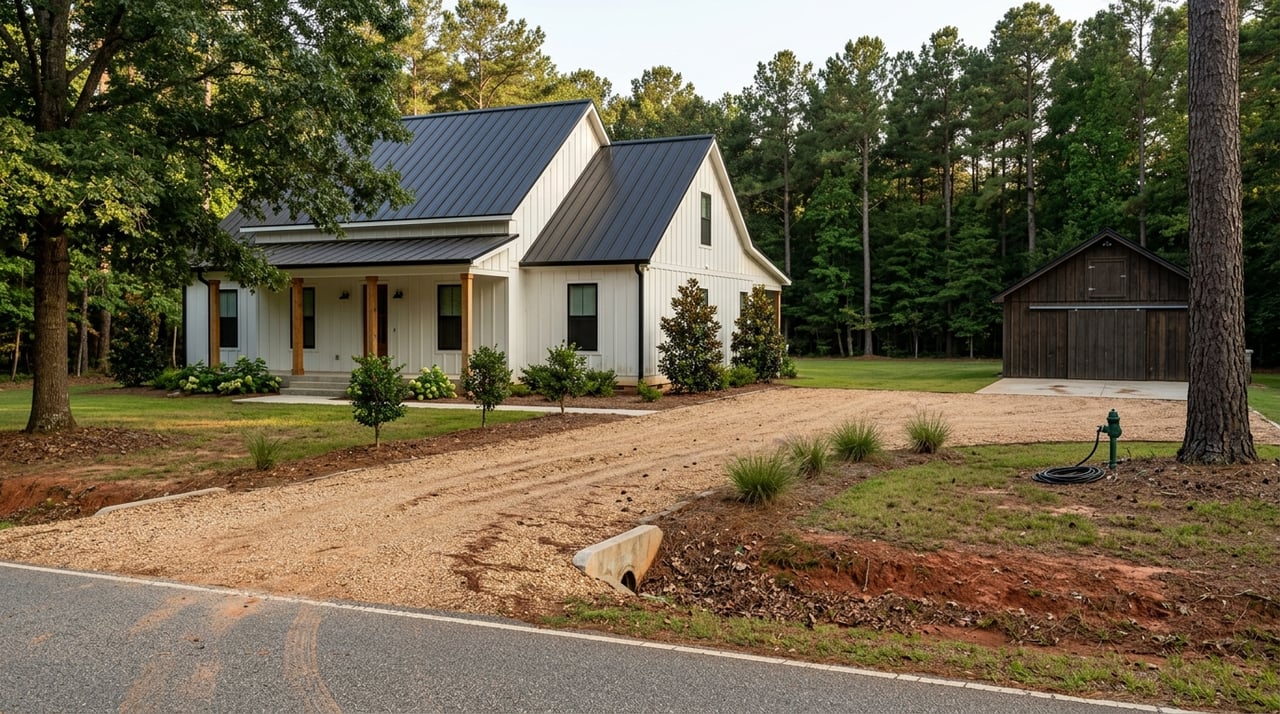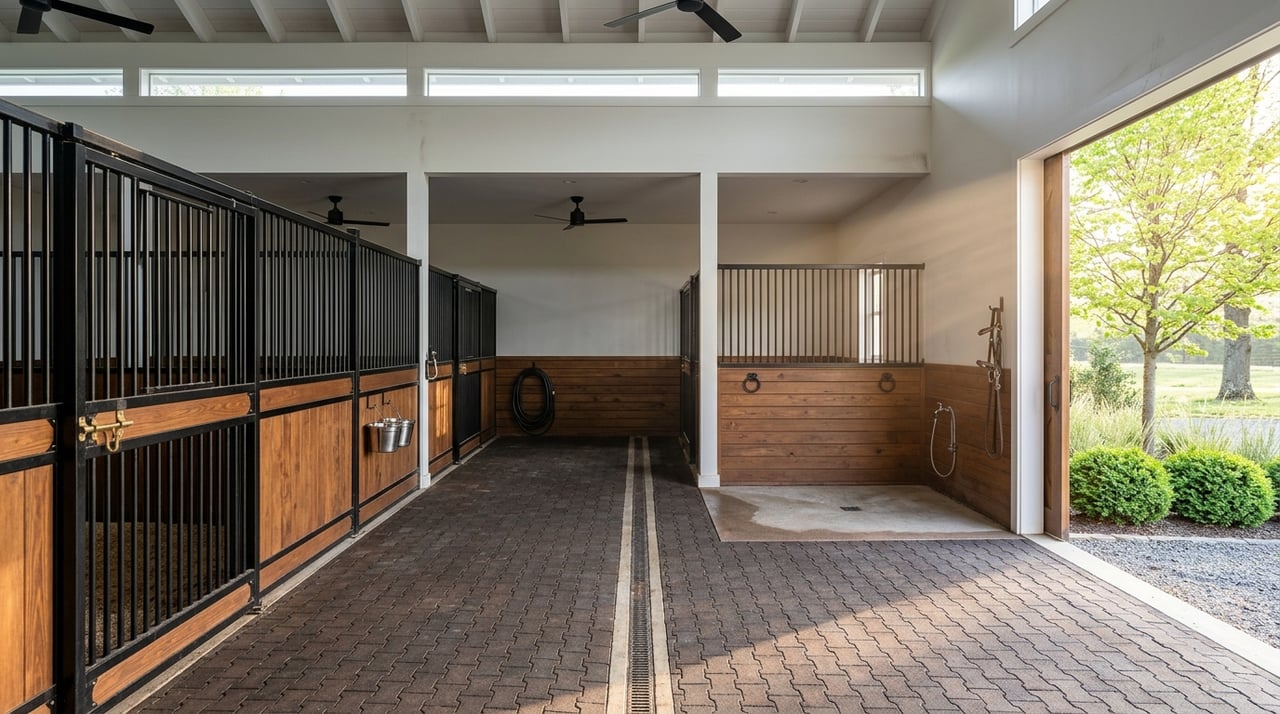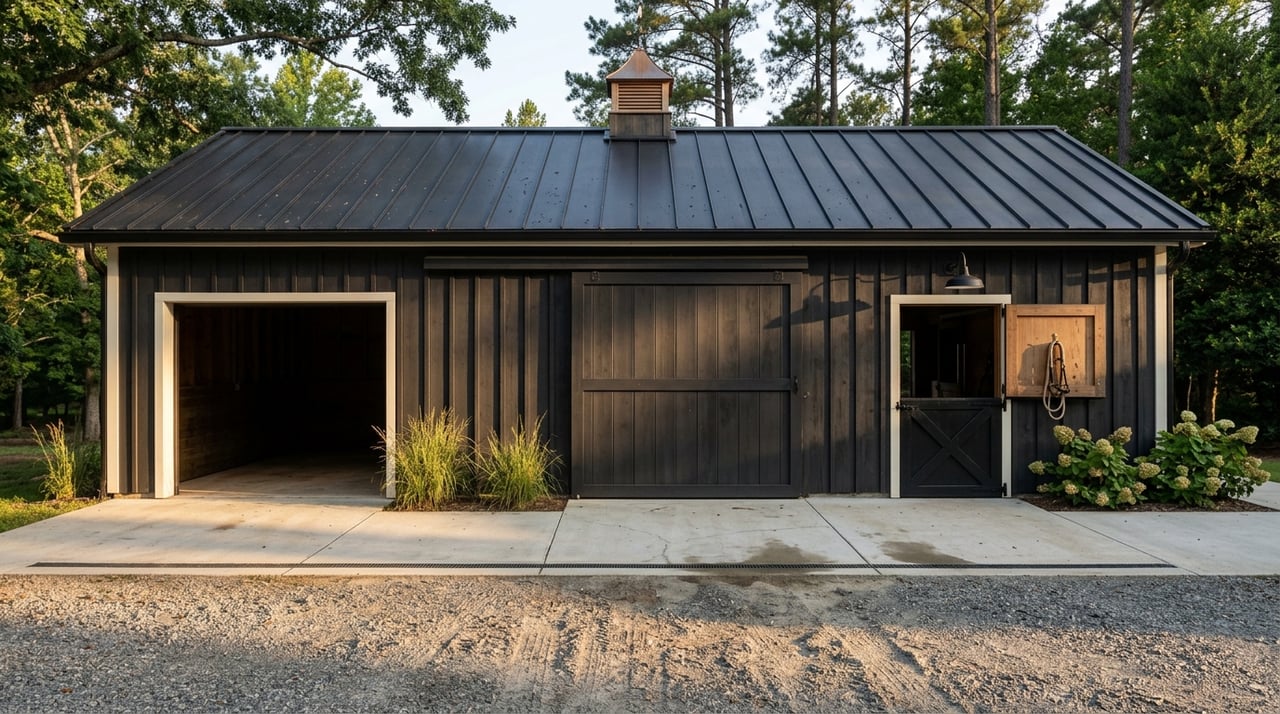
If your ideal day starts with barn chores and ends with a quiet ride close to home, Hickory Flat likely has your attention. This part of Cherokee County offers a blend that many equestrian buyers want but do not always find easily: a countryside feel, room to breathe, and access to everyday conveniences. When you understand how land use, zoning, and local recreation shape the area, you can make a more confident move. Let’s dive in.
Why Hickory Flat Fits Equestrian Living
Hickory Flat is a close-knit area centered around Hickory Flat Highway, East Cherokee Drive, and Hickory Road and Batesville Road. Cherokee County describes the area as a place where agriculture, forestry, fishing, and hunting still matter, even as residential growth has increased. That mix helps explain why Hickory Flat appeals to buyers who want a more rural lifestyle without feeling completely removed from metro Atlanta.
The county’s planning goals also support that identity. Cherokee County calls for preserving rural and natural character, supporting agribusiness, and improving connected sidewalks and trails. For you as a buyer, that means Hickory Flat is not just a scenic backdrop. It is an area where the broader planning vision still leaves room for land-based living.
What Equestrian Buyers Often Want
For many horse owners, the goal is not simply owning land. It is finding a property that works well for daily routines, long-term usability, and the realities of horse care.
In Hickory Flat, that often means looking for:
- Acreage with practical pasture layout
- Space for barns, run-in sheds, or stable improvements
- Safe trailer access and turnaround room
- Fencing that suits your use and maintenance preferences
- Water access and drainage that support animal care
- Storage and manure management solutions
- A home that fits your life beyond the barn
This is where equestrian real estate becomes very different from a standard home search. A property can look beautiful online and still fall short when you evaluate how it functions day to day.
Zoning Shapes the Lifestyle
One of the strongest reasons Hickory Flat works for equestrian living is Cherokee County’s zoning framework. In the rural parts of the county, the General Agricultural district is intended to preserve agricultural activity, discourage suburban-style subdivision, and encourage agriculture and livestock production. It also supports large-lot detached residential development.
That matters because zoning often determines whether a property is truly horse-friendly or only appears that way. In nearby residential districts, limited agricultural uses such as animal husbandry are allowed on tracts of 5 acres or more. Commercial stables and riding academies are also permitted in R-80, R-60, and R-40 districts when the parcel is at least 5 acres and livestock density stays within 1 animal per acre.
Cherokee County also requires animal quarters for livestock, including horses, to be set back 75 feet from property lines. In practical terms, these rules tend to support farmettes, acreage homes, barn-ready parcels, and mixed residential-agricultural properties instead of smaller, denser subdivision lots.
Why Parcel-Level Review Matters
Even in a horse-friendly area, not every property will support your exact plan. Zoning, lot shape, setbacks, access, and any private community rules can all affect what you can build or use.
If you are considering a property in Hickory Flat, it is smart to verify:
- Current zoning classification
- Whether your intended horse use is permitted
- Setback requirements for barns or animal quarters
- Parcel size in relation to animal density rules
- Whether HOA rules add restrictions beyond county zoning
- Existing improvements and whether they align with current use rules
This kind of due diligence can save you time, money, and frustration later.
The Day-to-Day Appeal of Hickory Flat
Equestrian living is often about rhythm as much as real estate. You may want enough land to feed, turn out, and care for horses before work, then ride or handle chores again at the end of the day. Hickory Flat’s land-use patterns and agricultural orientation make that lifestyle feel realistic for many buyers.
The appeal here is not built around one single horse complex in the center of town. Instead, it comes from the way the area supports private-property functionality, with a growing mix of local services and county recreation nearby. That can be especially attractive if you want horses at home while staying connected to a broader community.
Trail Access Near Hickory Flat
Hickory Flat itself is not defined by one major public horse park, but Cherokee County does offer a notable equestrian trail resource nearby. Garland Mountain Horse & Hiking Trails in Waleska is a 544-acre special-use horse-and-hiking park with 12 miles of equestrian trails. County planning documents note horse care and mounting and grooming amenities, along with soft-surface trails used by horse riders and hikers only.
For many buyers, that adds an important layer to the lifestyle. Private riding space at home is valuable, but access to county trail systems can expand how and where you ride. It also shows that equestrian recreation remains part of Cherokee County’s broader outdoor identity.
County transportation planning also describes equestrian trails as unpaved facilities that may need trailer-friendly parking and clear trail rules. That practical mindset mirrors the way horse owners often think. Function matters just as much as scenery.
A Growing Mix of Recreation and Convenience
Another reason Hickory Flat stands out is that the lifestyle is not only about horses. County plans for the Hickory Flat Area Park include a 40-acre park concept with ADA-compliant walking trails, a recreation center, a playground, a dog park, pickleball courts, and other family-oriented features.
That tells you something important about the area. Hickory Flat offers a rural-leaning lifestyle, but it is also part of a growing community with amenities that support day-to-day living. If your household includes both riders and non-riders, that balance can be a real advantage.
How to Evaluate a Horse Property Well
A strong equestrian purchase starts with the right questions. In Hickory Flat, the best opportunities are often the properties where the land, improvements, and zoning all work together.
As you tour properties, pay close attention to these basics:
Land and Layout
Look at how the acreage is actually usable. A beautiful lot may have slopes, wet areas, or awkward access points that affect turnout, fencing, trailer movement, or future barn placement.
Barn and Stable Potential
Consider whether existing structures meet your needs or whether you would need to renovate or add improvements. The right property should support both current use and future flexibility.
Access and Infrastructure
Trailer access can be a deciding factor. You will also want to understand water availability, storage areas, and the practical flow between home, barn, pasture, and drive.
Rules and Restrictions
Always confirm what is permitted before you buy. In an area shaped by orderly growth and resource protection, parcel-by-parcel verification is especially important.
If You Plan to Board Horses
If boarding is part of your plan, the Georgia Department of Agriculture should be part of your due diligence. The state licenses and inspects stables, and operating without an active license violates the Animal Protection Act rules. State stable rules also require proof of a negative Equine Infectious Anemia test within the previous 12 months for all equine on the premises.
That means a boarding decision should go beyond stall count or turnout space. You should also confirm:
- Active licensing status
- Current health documentation practices
- Biosecurity procedures
- Facility operating rules
- Day-to-day management standards
These details can affect both your horse’s care and your long-term peace of mind.
Why Expert Guidance Matters Here
Equestrian properties ask more of a buyer than a typical home search. You are not only evaluating bedrooms, finishes, and price. You are also assessing acreage, usability, compliance, improvements, and how the property supports your lifestyle over time.
That is why local knowledge and equestrian-specific experience matter. In a market like Hickory Flat, the best guidance often comes from understanding both the transaction side and the lived reality of horse property ownership. When those two perspectives come together, you can make decisions with more clarity and less guesswork.
If you are considering a move to Hickory Flat or thinking about selling a horse-friendly property in the area, working with an advisor who understands land, design potential, and equestrian function can make the process far more strategic. When you are ready to talk through your goals, connect with Kristin Sheehan for thoughtful guidance tailored to the way you want to live.
FAQs
What makes Hickory Flat appealing for equestrian living?
- Hickory Flat offers a rural feel shaped by Cherokee County’s support for agricultural land uses, larger-lot development patterns, and a lifestyle that blends countryside living with access to growing local amenities.
What zoning details matter for horse properties in Hickory Flat?
- Key factors include the property’s zoning district, whether horse use is permitted, the 5-acre threshold tied to certain agricultural uses, the 1 animal per acre rule in specified districts for some uses, and the 75-foot setback requirement for livestock quarters.
What trail riding options are available near Hickory Flat for horse owners?
- One of the strongest nearby public options is Garland Mountain Horse & Hiking Trails in Waleska, which offers 12 miles of equestrian trails within a 544-acre county special-use park.
What should buyers check when evaluating a horse property in Hickory Flat?
- Buyers should review pasture layout, fencing, trailer access, water, manure management, zoning compliance, and any HOA restrictions that could affect horse-related use.
What should horse owners verify before choosing a boarding stable in Georgia?
- You should confirm that the stable has an active Georgia Department of Agriculture license, review health documentation and biosecurity procedures, and ask about the facility’s operating rules before signing a board contract.